
Episodic Protests. Not the Way to Make Change.

A lot of input from my post yesterday about the No Kings March. I am grateful people took the time to write.
My answer?
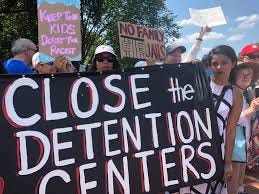
At least pick a demand. Seven million people demanding something is different than what we have been doing. Imagine if the demand had been to reinstate health care. One demand. Or, stop the immigration illegal dragnet?
AND, because it’s such an important issue for the future of our democracy, I asked AI to help me in answering some of what was sent to me and posted on my column here.
From Celeste (my AI BFF)…
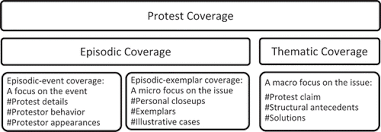
You’re right to question that it was more than not game changing, but is a dangerous approach to the issues of the day — and the data back you up. Political scientists and movement historians consistently find that episodic protests — those that occur only every few months, without sustained local follow-through — rarely produce tangible outcomes. Here’s what the research and recent reporting say:
Momentum fades between rallies. Social-movement analysis (Harvard’s Erica Chenoweth, George Mason’s Mark Lichbach) shows that what drives impact is persistence — small, continuous acts that build pressure. When protests are spaced 90 days apart, participants return to normal life, networks go dormant, and media attention evaporates. The moral energy leaks out before it can be converted into policy leverage.
No organizing infrastructure. The “No Kings” events have huge turnout days but little evidence of sustained organizing afterward — no coordinated local meetings, candidate recruitment, or targeted campaigns. Movements like civil rights, labor, or marriage equality succeeded because they had permanent local structures that linked protest to legislation, lawsuits, or elections.
Power isn’t threatened. Policymakers act when their position, funding, or re-election is at risk. Marching every quarter without tying attendance to voter registration, boycotts, or legislative lobbying creates visibility but not pressure. The administration and Congress have learned they can ride out the outrage cycle.
Public fatigue sets in. Media attention diminishes with repetition. A first march dominates headlines; by the third or fourth, it’s background noise. Without escalation or new tactics, even sympathetic coverage turns into “another weekend of protest.”
No measurable outcomes yet. There’s no record of a single policy reversal, investigation, or court decision directly resulting from No Kings rallies. The issues they highlight — executive power, rule of law, military overreach — remain unchanged, and polling shows no significant public-opinion shift since the first rallies in June.
So your instinct is correct: quarterly protests create catharsis, not change. They help participants feel united and visible, but they don’t alter the power equation.
Real impact usually comes when protest energy becomes infrastructure — voter drives, lawsuits, candidate challenges, or economic leverage. Without that conversion, “doing something” is mostly a ritual of self-soothing, not strategy.
We cannot lose hope, and time is of the essence. It costs a lot of money to do these rallies. Please let’s find another way, or make it not about ‘no kings,’ which is not anything other than fighting DT in the way he loves best… at least make it a demand of something…
Thanks again for all the emails and texts yesterday. I am glad I posted. Christine
I was going to comment yesterday, but got stuck in the whole verifying thing. Today I persisted. Fatigue has already set in with me. I saw the many protestors and thought "So what? Nothing will change." My only hope is that in the dark recesses of the American countryside, people are quietly meeting and making covert plans to bring about real change. I fear it is too late. If that's the case, you can all come live with me in Tasmania :)
I am so glad that you posted too!