

This is not about prosecutors.
It is not about district attorneys.
It is about us. You and me.
Jeffrey Epstein was convicted in 2008 of soliciting prostitution from a minor. That conviction alone should have permanently altered how leaders evaluated association.
And yet associations continued. And still continue.
Not loudly. Not transparently. Many details surfaced later through reporting and litigation, emails, meetings, donations, personal gifts.
We now know the names.
So the question is not what the law required.
The question is what we require.
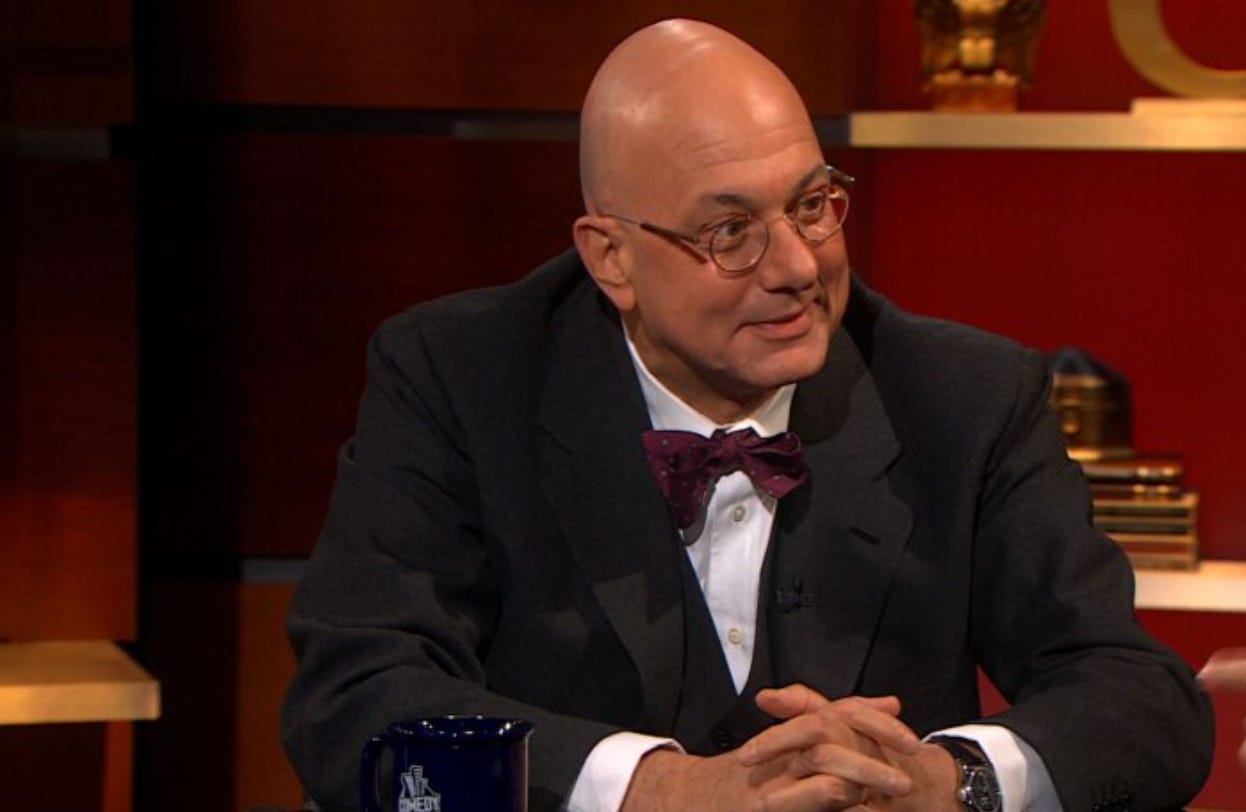
Start with Leon Botstein.
Bard College accepted post-conviction donations from Epstein. Botstein maintained a relationship. Reporting revealed a personal gift, the watch. This is not a criminal allegation. It is a judgment question.
So where is the sustained public pressure on the Bard board?
When did trustees know about the continued relationship?
When did they know about the gift?
Why has there been no full public accounting of how this met their standard for leadership?
And where are the students?
Where are the alumni?
Institutions do not belong only to boards. They belong to the people who study there, graduate from there, donate to them, and represent them in the world.
I know Leon personally, although I have not seen him in years. I gave him my Steinway grand piano, an instrument he coveted. He is the conductor of The American Symphony, and I was so proud. I sat next to him at many luncheons and dinners. That was not a casual gesture. A Steinway grand is not a token. It carries memory. It carries admiration. It carries trust.
When someone you once respected is later connected to something that feels morally compromised, there is a kind of retroactive contamination. You start to re-evaluate not only them, but your own choice. It had to be there. Did I miss it?
I want my piano back.

But that is not really about wood and strings. It is about alignment. It is about wanting to pull something beautiful out of an environment that now feels compromised. It is grief mixed with anger. It is the instinct to retrieve what you gave in good faith when trust feels cracked.
That is what moral dissonance feels like.

Now look at The Weinstein Company.
Over many years, the board approved multiple confidential settlements with women while Harvey Weinstein remained in charge.
Approving those payouts means the board knew there were credible accusations serious enough to require financial resolution.
Repeated settlements are not anomalies. They are patterns.
And yet Weinstein continued to operate until public exposure made continuation impossible.
Where was the sustained reckoning for the board members who authorized payout after payout?
Many moved on to other boards and other ventures. Hollywood recalibrated. Careers continued.
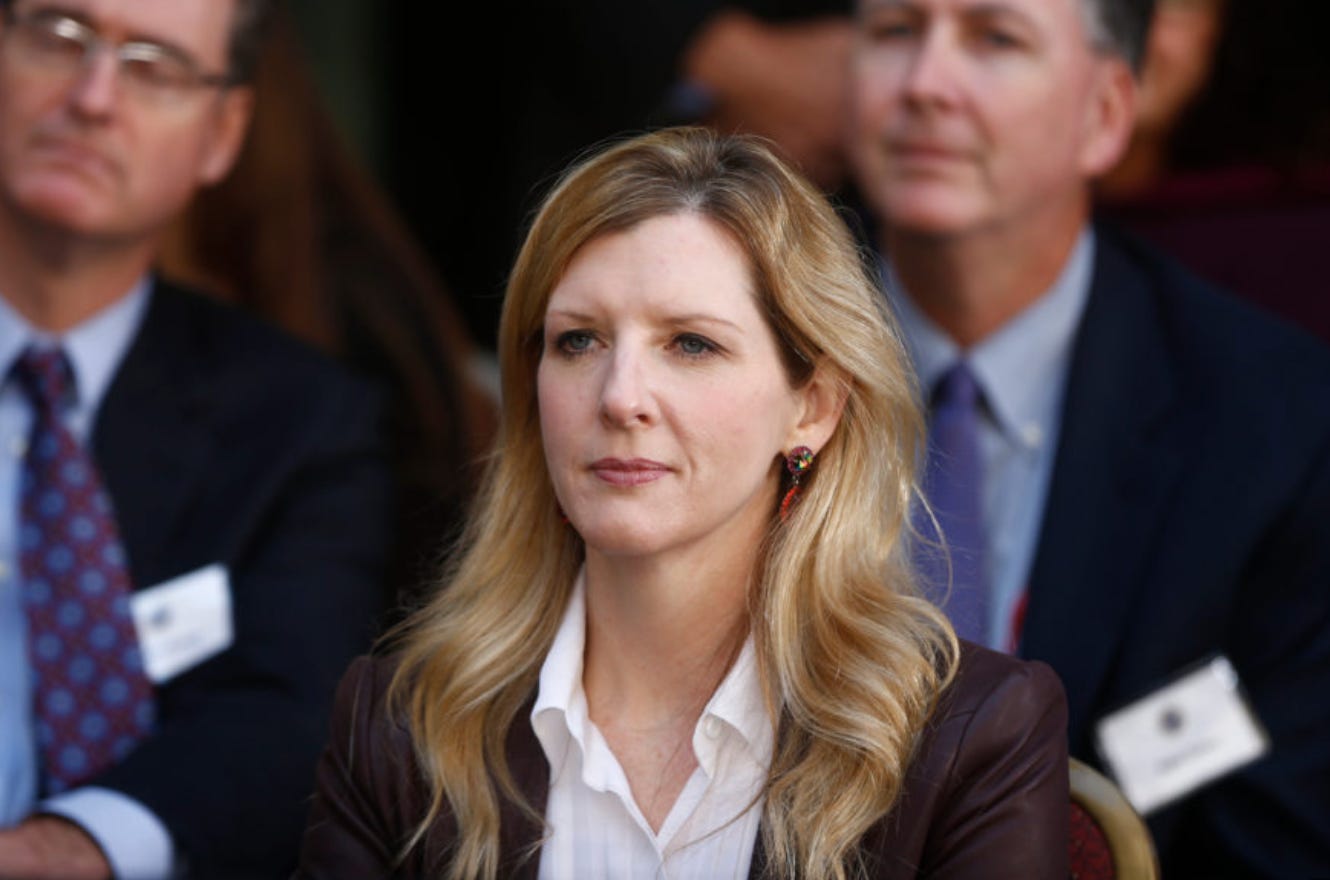
In finance, Kathryn Ruemmler “resigned” from Goldman Sachs after communications referencing Epstein became public. She was not accused of abuse. She was not charged. Her departure became the accountability headline.
The institution remained intact.
In elite law, Brad Karp stepped down as managing partner of Paul Weiss. It was not emphasized at first that he would remain at the firm as a partner.
Remaining a partner in a major law firm is not exile. It is continued influence and compensation.
If a title changes but power remains, is that accountability or choreography?
And what about the other partners? Clients?
A partnership shares governance. Every partner benefits from the brand. Why are they not being asked publicly how they assess standards inside their own firm?
Why does the media move on?
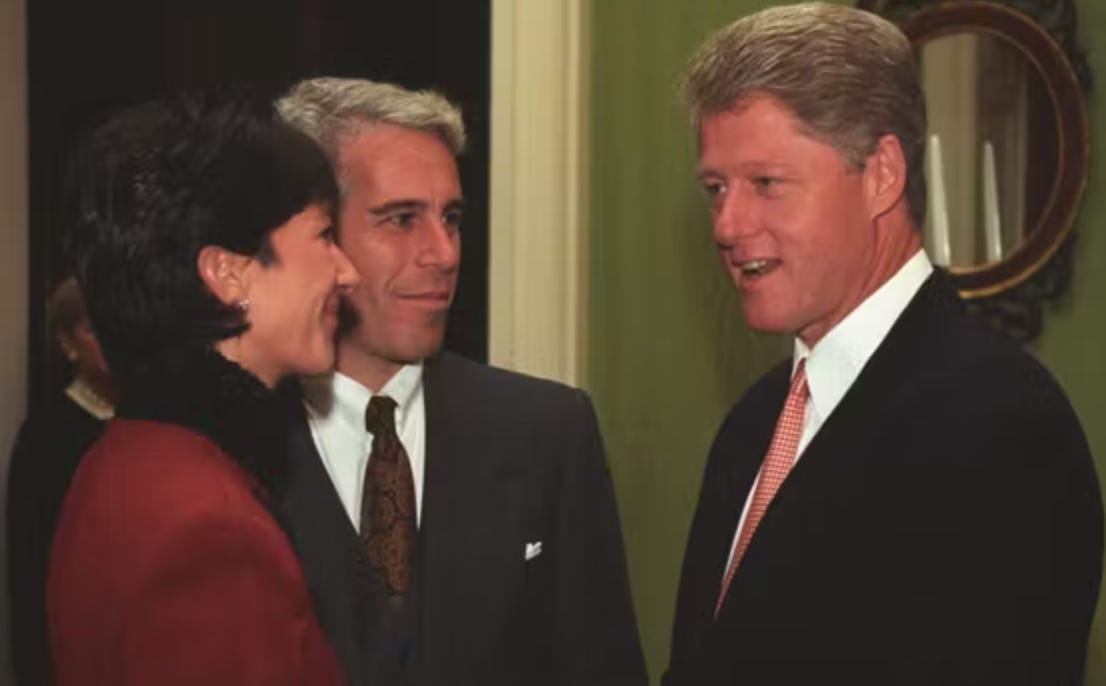
In public life, Bill Clinton acknowledged flying on Epstein’s plane and has denied knowledge of wrongdoing. He continues to command large speaking fees. The Clinton Foundation continues to receive donations. This is not the first time Bill Clinton has been to this type of rodeo. How many times does he have to go there before we truly doubt his judgment and walk away?
Bill Gates met with Epstein multiple times after the conviction and later described those meetings as a mistake in judgment. He remains one of the most influential philanthropic figures in the world through the Bill & Melinda Gates Foundation. Did it only become a mistake now when you’re publicly being questioned? Why wasn’t it a mistake then? Nothing changed other than the fact that he got caught.
These facts are public.
And yet the boards remain seated. The podiums remain available. The checks keep clearing.
This is the pattern.
A campus remains quiet.
A corporate board disperses.
A law firm adjusts titles.
A foundation keeps fundraising.
A bank absorbs a resignation.
Hollywood moves on.
The scarlet letter appears briefly, then fades.
The only people who carry lasting consequence are the women who were abused. They continue to speak. They continue to relive. They continue to ask whether anything changed.
The ecosystem does not.
Until we the people impose consequence on institutions, nothing changes.
Until donors withhold checks.
Until alumni demand resignations.
Until students protest.
Until shareholders demand removal.
Until clients question firms.
Until voters treat compromised judgment as disqualifying.
Until the media sustains pressure beyond the first week.
The ecosystem will continue to believe that exposure is survivable.
The scarlet letter has to cost something.
At minimum, it should mean isolation from stewardship when judgment has been compromised.
When appropriate, it should mean litigation and criminal prosecution.
But before any courtroom, there is culture.
And culture answers to us.
If we continue to invite, fund, retain, and applaud leaders who normalized proximity to moral failure, then we are sustaining the environment we claim to condemn.
The scarlet letter only works if we refuse to erase it. Right now, too often, we are the ones doing the erasing.