We Blame Men. The System Produces Sexual Violence.
You can't fix what is broken by raising better men.

Every now and then my column brings me in touch with a writer who blows me away with a point of view I sure wish had been mine. So clear. So obvious. So powerful. Meet Teri Hagedorn, whose Facebook post is my guest column today. Her bio is at the end of the piece. I know. I know. Who knew? - Christine
“As we digest the fact that tens of millions of women around the world have experienced sexual violence, including being drugged by their husbands, raped while they slept, and in some cases even sold to other men, and people online fight about whether it’s “some men” or “all men,” I think it’s worth remembering, it’s not men at all. It’s the system.
“We have been living inside a patriarchal social system for thousands of years where men hold primary power and dominate political leadership, moral authority, social privilege, control of property, and control of women and children. This structure has been reinforced over time by cultural norms, legal systems, and religious institutions, including Christianity, Islam, and Judaism. I know my Christian friends want to focus on raising “the right” men to lead inside this system, but that misses the point.
“Before these systems consolidated power the way we know them today, many societies were organized very differently. Women were centered as life givers. Spiritual life in many cultures was tied to a Great Goddess or Mother figure, representing fertility, birth, and the cycles of nature. Women were often the healers, the leaders, the keepers of knowledge. Belief systems were tied to the earth, to renewal, to interconnection, not dominance. Men were part of these worlds, but they didn’t dominate them.
“But here’s the part we keep skipping over. Patriarchy was never built to benefit all men. It was always an extractive, hierarchical system designed to benefit a small group at the top, kings, lords, presidents, CEOs, oligarchs. Its modern cousins, colonialism and capitalism, locked those dynamics even deeper into American culture.
“Men were asked to survive inside a brutal system. Compete. Climb. Win. Don’t feel. Don’t ask for help. Don’t break. And in exchange, they were given a kind of conditional power, dominance over women and marginalized groups, so they wouldn’t look too closely at the fact that they weren’t actually winning either. Overworked. Underpaid. Emotionally shut down. And told that any vulnerability was weakness.
“So where does that pressure go. It goes somewhere. Too often, it gets taken out on the women in their lives, especially when those women start stepping into spaces that were never supposed to be theirs. Education. Sports. Boardrooms. Government. When women enter those spaces and start competing, or even winning, it doesn’t just feel like change. It feels like threat. And that’s why we’re watching laws and policies try to push women back out.
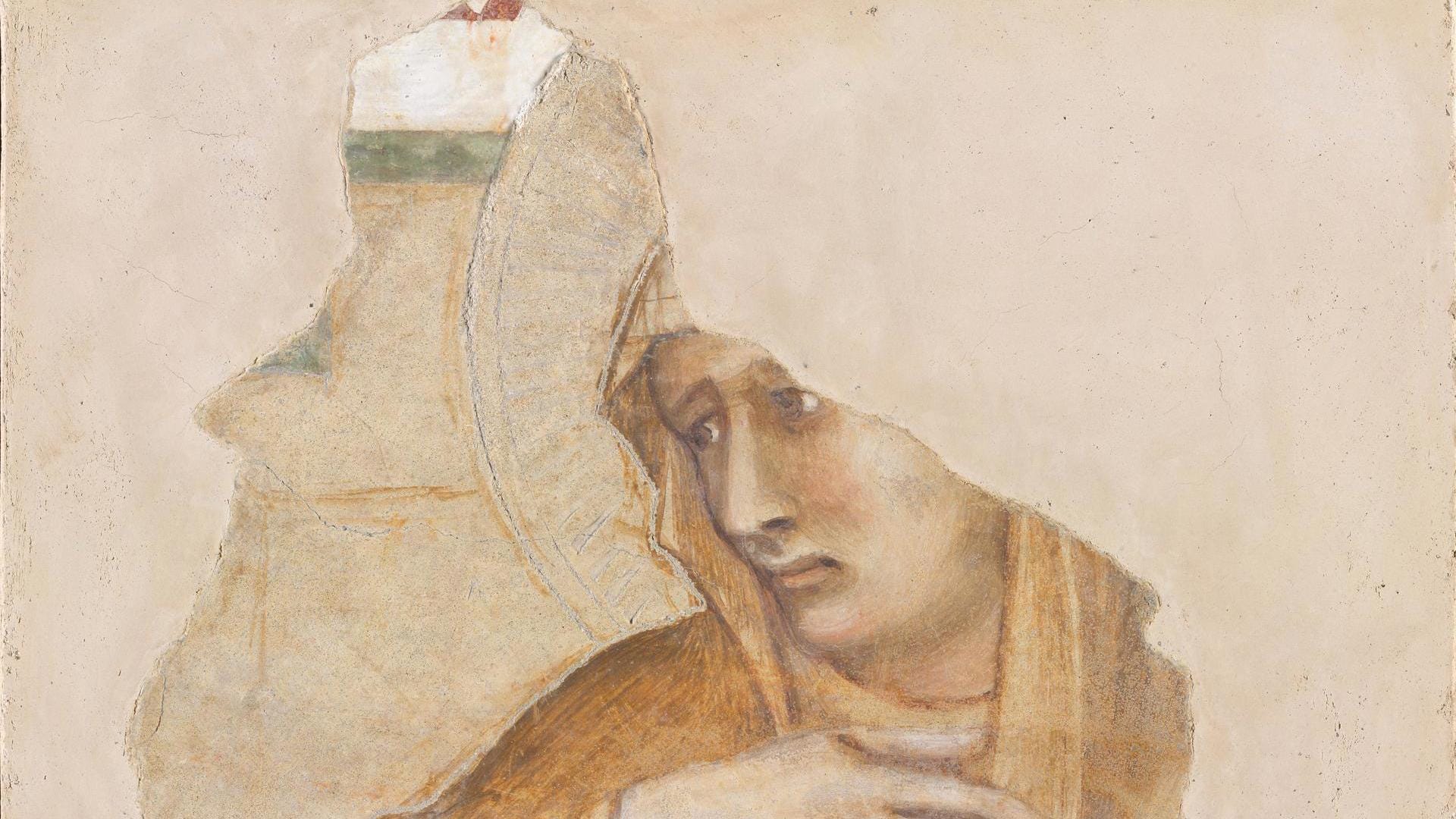
“And let’s talk about Mary Magdalene for a second, because this part matters.
“She was not a prostitute in the earliest texts. The Church made her into one. That characterization shows up centuries later, most notably through Pope Gregory I, when she was merged with other unnamed women in a way that stuck for generations.
“So we have to ask, why?
“If she was one of the closest followers of Jesus Christ, at the crucifixion when others weren’t, the first to witness the resurrection, someone clearly trusted, then what does that mean. It means a woman was sitting at the center of power, insight, and spiritual authority in one of the most influential movements in history.
“And if that’s true, then what the hell do you do with that if you are building a system that depends on male authority?
“You don’t erase her completely. You can’t. But you can reshape her. You can shrink her. You can turn her into something that fits your system instead of threatens it.
“We can’t prove that was a coordinated decision made for that exact purpose. But come on. We can see the pattern.
“A powerful woman in the original story becomes a diminished one in the institutional version that follows.
“That’s not random.
“Friends, we are in the collapse of this entire way of being on earth. Finally. This is not something to be afraid of. This is not something to mourn. This is the moment to ask what it actually means to be human again.
“And for those who follow Jesus Christ, this isn’t some radical departure. It’s a return. His teachings were not about dominance or hierarchy. They were about compassion, humility, care for each other.
“The version of the story many of us were raised on was shaped over centuries by institutions with power, including the Roman Empire, to reinforce a certain kind of order. I felt that disconnect in my bones as a kid. And now we’re watching it all strain and crack in real time as these systems fight for dominance in a zero sum game.
“Spoiler alert. They all lose.
Because what’s coming next is not about replacing one hierarchy with another. It’s about building something more human, more equal, more connected.
“And honestly, it might be the closest thing to heaven on earth we ever create together.” - Teri Hagedorn
Teri Hagedorn is a recovering advertising executive who spent thirty years helping for-profit companies grow and develop their businesses. She’s now using her powers for good with non-profits through her consultancy, Accelerant, including one that is designing a framework to take businesses from extraction to restoration, demonstrating that when we pivot from patriarchy to matriarchy, everyone wins.